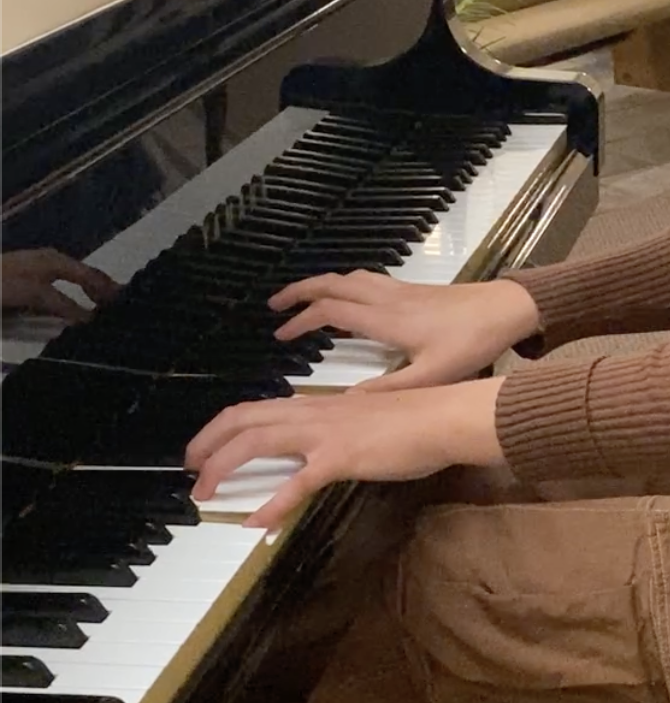
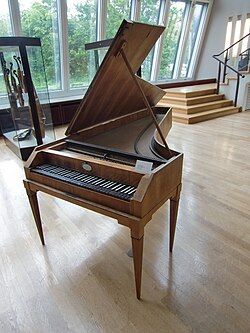
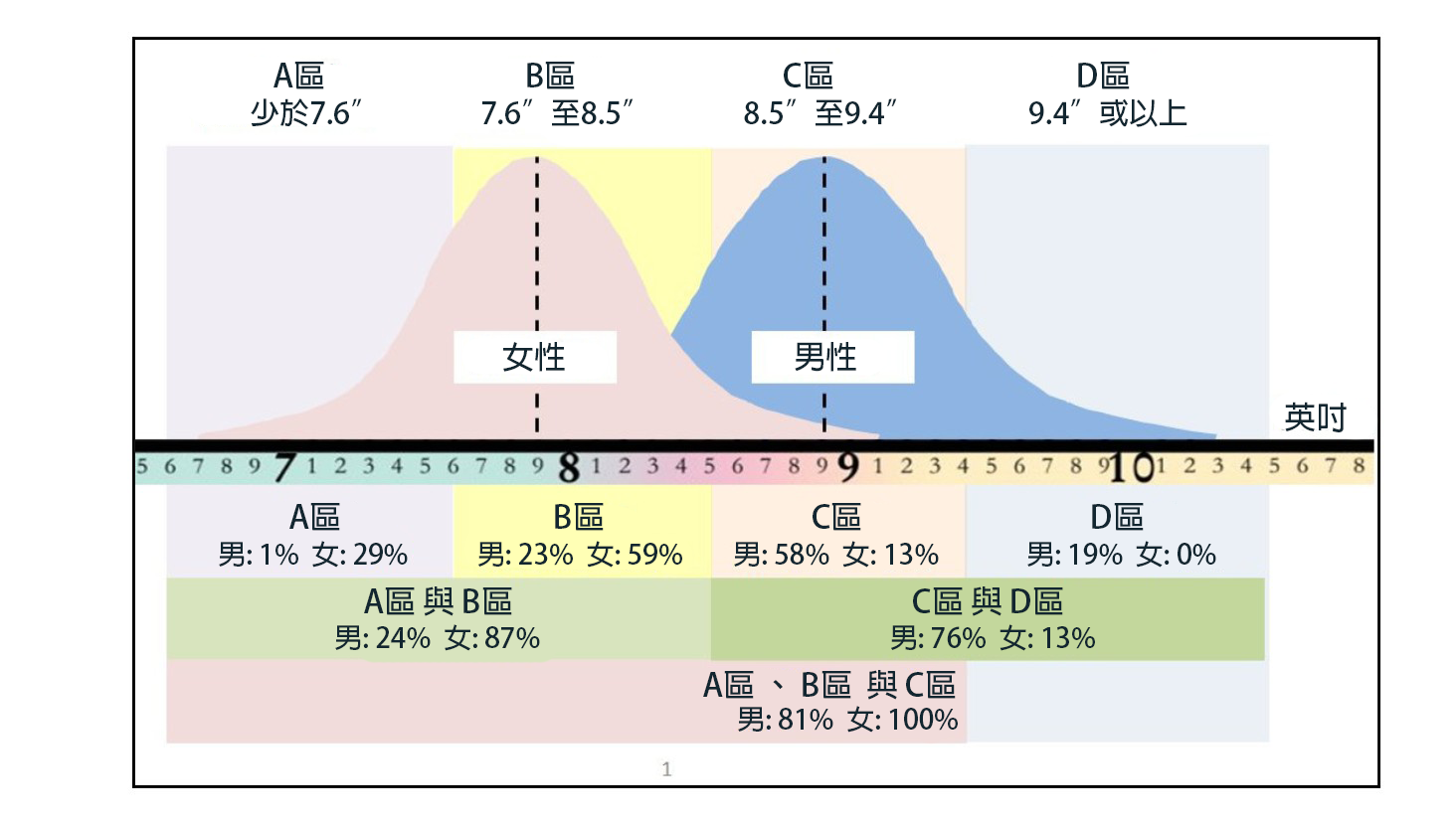
女人的手平均比男人小約11%,大約只有男人手部尺寸的八分之七。2015年一項針對473名成年鋼琴家的研究發現,男人的右手距(拇指到小指的最大距離)平均比女性大了一英吋。需要留意的是,手的大小也與身高有關,同一群體內的個人差異也相當大。手部尺寸的生理性別差異,也與族群交織。比較歐洲裔與亞裔人口的研究發現,歐洲裔人口的手平均略大,歐裔男人右手拇指到小指的平均距離為9.0英吋,亞裔男人8.7英吋,歐裔女人8.0英吋,亞裔女人7.8英寸(Boyle et al., 2015; Sakai et al., 2006)。
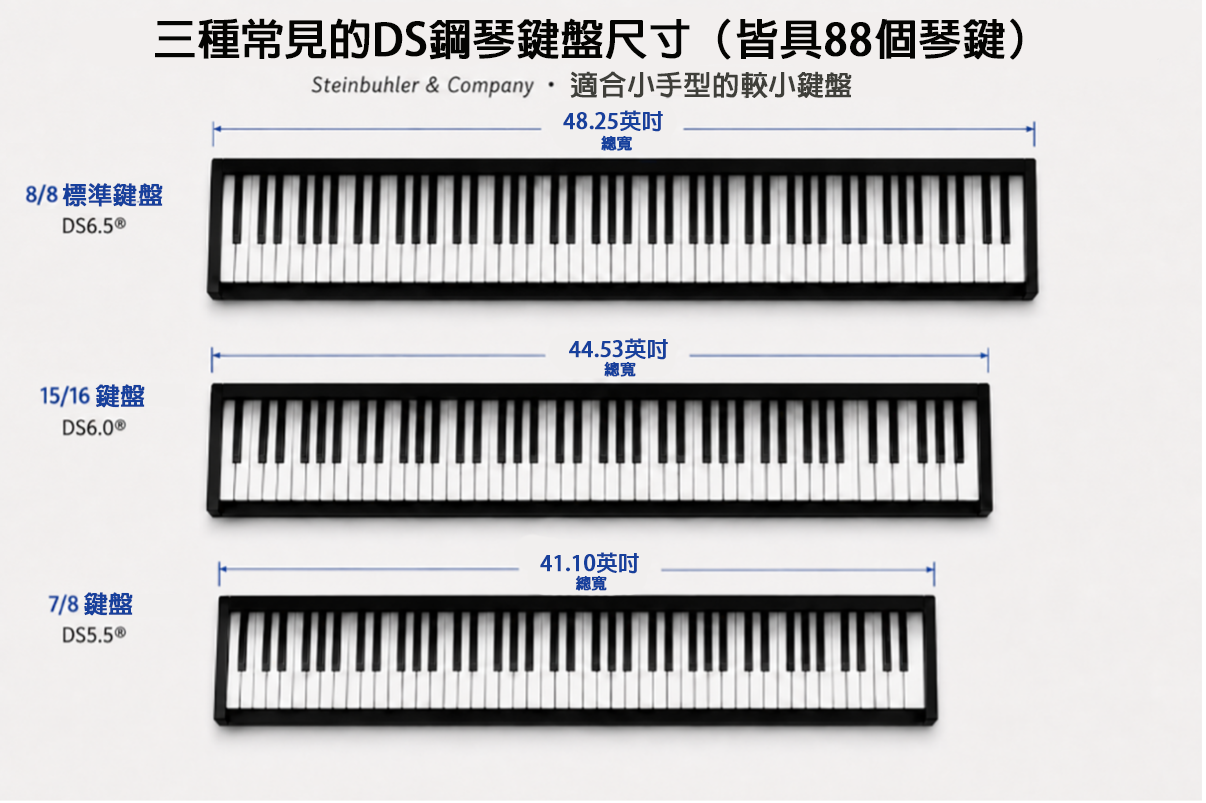
窄版鍵盤是包容性設計領域的一項重要創新。它們讓有才華的音樂家能夠演奏高難度曲目,且無需承受不必要的身體負擔。較窄的鍵盤也可以減少鋼琴家的演奏傷害,並且減輕疼痛(Chi et al., 2021)。
許多器具也和傳統的鋼琴鍵盤一樣,不適合女人或小手的人使用,外科手術器械就是個突出的例子。這些器械歷來按照男性的平均手型設計,使得許多女外科醫師不易操作。男性外科醫師使用的手套尺寸介於7.0至7.5號,而女性外科醫師的手套尺寸則介於6.0至6.5號。由於女人的手通常比男人小,握力也較弱,在設計器材時若忽略生理性別差異,可能會造成操作負荷相關的傷害,並且成為女人執業的障礙。還有一個問題是,這些器械多半按右手操作來設計。目前,製造商正在推出尺寸較小的外科手術器械與替代握柄,包括採用較細的器械桿身,以及視需要提供貼合左手構造的握柄。這些包容性設計的創新不僅有助外科醫生操作器械,也能改善患者的治療結果(Putnam et al., 2024; Bitar et al., 2025)。
還有許多器具的設計對女人來說並不合身,且可能導致不必要的傷害。例如,傳統的女款足球釘鞋通常是男款的縮小版。現有許多公司推出專為女人設計的足球鞋,通常鞋跟較窄、鞋頭較寬(Prempeh & Pennington, 2025)。同樣的,自行車座墊過去都是根據男性的解剖構造以及騎乘姿勢設計,如今已有專門針對生理性別差異設計的座墊來因應這類問題(Herrero-Molleda et al., 2024)。
Bitar, E. R., Hassanieh, J., Rahhal, S., Zaiter, B., & Zaghal, A. (2025). Handedness in surgical education: evaluating suturing proficiency among left- and right-handed trainees. Surgery Open Science, 24, 51-57.
Booker, E., & Boyle, R. (2011). Piano keyboards–one size does not fit all! Pianistic health for the next generation. In 10th Australian Piano Pedagogy Conference Proceedings.
Boyle, R., & Boyle, R. (2009). Hand size and the piano keyboard. Literature review and a survey of the technical and musical benefits for pianists using reduced-size keyboards in North America. Proceedings of the 9th Australian Piano Pedagogy Conference, Sydney, Australia.
Boyle, R., Boyle, R., & Booker, E. (2015). Pianist hand spans: gender and ethnic differences and implications for piano playing. In Australian Piano Pedagogy Conference, Melbourne, Australia.
Chi, J. Y., Halaki, M., Booker, E., Boyle, R., & Ackermann, B. J. (2021). Interaction between hand span and different sizes of keyboards on EMG activity in pianists: An observational study. Applied Ergonomics, 97, 103518.
Donison, C. (1998). Small hands? Try this keyboard, you’ll like it. Piano & Keyboard, July-August, 41-43.
Hamilton, K. (2026, July 8). Research questions piano’s one-size-fits-all keyboard, Stanford Report.
Herrero-Molleda, A., Bini, R., & García-López, J. (2024). Saddle preferences and perceived comfort of competitive women cyclists. Science & Sports, 39(8), 670-677.
Leone, C. (2015). Size Is Key: Which Size Fits You Best? Clavier Companion, 11-20.
Prempeh, M., & Pennington, C. G. (2025). Deconstructing Soccer Footwear: An Anatomical Review with Implications for Female Athlete-Specific Design. Universal Journal of Sport Sciences, 5(1), 24-30.
Putnam, J. G., Kerkhof, F. D., Shah, K. N., Richards, A. W., & Ladd, A. (2024). Helping surgeons’ hands: a biomechanical evaluation of ergonomic instruments. The Journal of Hand Surgery, 49(9), 933-e1.
Sakai, N. (2008). Keyboard span in old musical instruments: Concerning hand span and overuse problems in pianists. Medical Problems of Performing Artists, 23(4), 169-171.
Sakai, N., Liu, M. C., Su, F. C., Bishop, A. T., & An, K. N. (2006). Hand span and digital motion on the keyboard: concerns of overuse syndrome in musicians. The Journal of Hand Surgery, 31(5), 830-835.
Schumann, E. (2026, August), personal communication.
Wang, R., Xu, P., Shi, H., Schumann, E., & Liu, C. K. (2024, December). FürElise: Capturing and physically synthesizing hand motion of piano performance. In SIGGRAPH Asia 2024 Conference Papers (pp. 1-11).
Wristen, B., & Hallbeck, M. S. (2009). The 7/8 piano keyboard: an attractive alternative for small-handed players. Update: Applications of Research in Music Education, 28(1), 9-16.
Xu, P., Ye, Y., Sun, S., Ding, Y., Schumann, E., & Liu, C. K. (2026). MUSIC: Learning Muscle-Driven Dexterous Hand Control. ACM Transactions on Graphics (TOG), 45(4), 1-20.